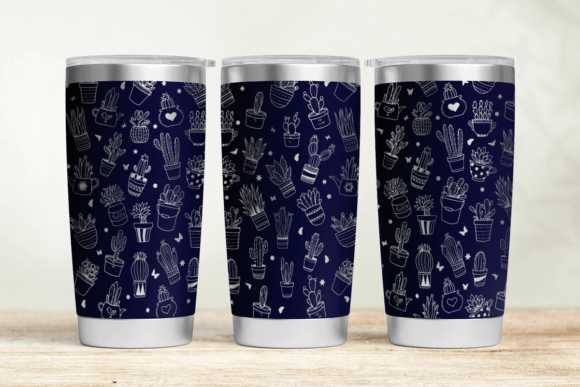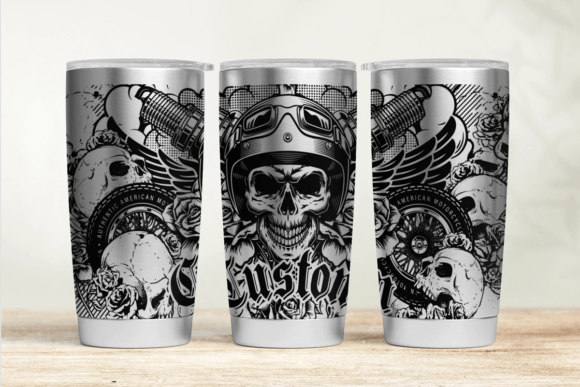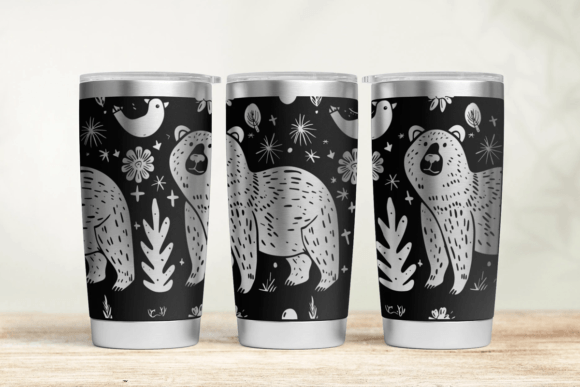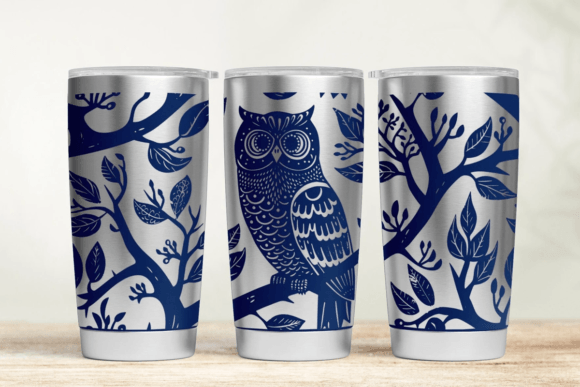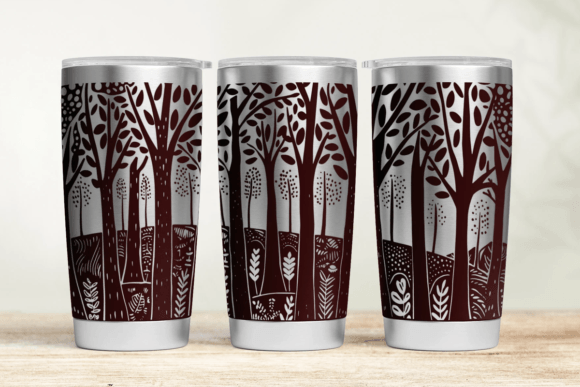
Forest 20oz 30oz Laser Tumbler Wrap SVG
A Designer’s First Glance: Quiet, Grounded, and Ready for Texture
Opening Forest 20oz 30oz Laser Tumbler Wrap SVG feels like stepping into a misty woodland at dawn—soft edges, layered silhouettes, and a gentle rhythm between negative space and detail. It’s not busy, but it’s not minimal either. The composition leans into organic flow: tall trunks anchor the vertical, canopy shapes taper outward, and subtle ground-line elements suggest depth without clutter. As an embroidery designer who regularly translates vector art into stitch, I immediately ask: What happens when this becomes thread on fabric? Not just “will it sew,” but “will it breathe, hold character, and feel intentional in the finished product?”
Where This Design Truly Belongs: Beyond the Tumbler
Yes, the file is labeled for tumblers—and its proportions clearly suit a 20oz cylindrical surface—but its visual language extends far beyond laser engraving. I tested it conceptually across several real projects: a linen tea towel for a local café, a baby onesie for a woodland-themed nursery line, and a custom embroidered patch for a hiking co-op’s volunteer gear. In each case, the Forest 20oz 30oz Laser Tumbler Wrap SVG held up because its strength lies in silhouette clarity and balanced scale—not tiny botanicals or fine linework that vanishes under stitch.
It works especially well for sweatshirt embroidery, where dense fill stitches can emphasize trunk weight and canopy volume without overcrowding. On a natural-toned tote bag, the design reads as calm and cohesive—not fussy, not generic. For holiday embroidery or wedding gifts, it offers quiet sophistication: think a set of monogrammed pillow covers with the forest motif subtly wrapping the corner, or a small-applique version stitched onto a wool blanket edge.
Real Embroidery Considerations: What Holds Up—and What Needs Thought
This isn’t a one-size-fits-all machine embroidery design. Its success depends on thoughtful adaptation:
- Hoop size & placement: The full-wrap layout assumes vertical orientation and generous real estate. For caps or curved surfaces, isolate a central tree or canopy section rather than forcing the entire wrap—distortion risks muddying the mood.
- Fabric texture matters: On nubby linen or thick terry cloth, simplify inner details (like branch intersections) to avoid stitch crowding. On thin fabric or stretchy fabric, reduce fill stitch density in wide canopy areas to prevent puckering.
- Dark vs. light backgrounds: The design relies on shape contrast more than intricate line work, so it performs consistently on both black sweatshirts and ivory tea towels—if you choose thread colors with enough value difference. A charcoal gray thread on navy fabric? Too subtle. Go for deep forest green or warm brown instead.
- Wash durability: Avoid overloading the lower third (ground area) with dense satin or fill stitches if the item will see frequent laundering—like baby clothes or kitchen towels. A running stitch outline + open fill works better here than heavy coverage.
How It Shapes Perception—Before and After Stitching
Customers don’t buy “SVG files.” They buy confidence, care, and cohesion. When I previewed a mockup of the Forest 20oz 30oz Laser Tumbler Wrap SVG on a handmade apron, buyers responded to its grounded calm—not as decoration, but as intention. That matters for craft business owners listing on Etsy or selling at local markets. This design doesn’t shout; it invites. It supports brand consistency for nature-focused boutiques, eco-conscious apparel lines, or mindfulness-themed gift shops—without locking you into seasonal trends.
That said, it won’t carry a whole collection alone. Paired with simple typography or a single-line animal motif, it becomes part of a stronger design assets system. As a standalone embroidered patch, it reads beautifully at 3–4 inches tall. As a tote bag design, it benefits from a clean border or subtle topstitch frame to keep the eye anchored.
Practical Notes Every Embroidery Designer Should Check
Before cutting fabric or loading your hoop:
- Test on scrap first—especially with your chosen stabilizer and fabric combo. Does the canopy retain separation between layers, or do branches blur together?
- Review stitch density in the thickest sections. If your machine flags high-density zones, consider splitting the design into two passes or simplifying foliage clusters.
- Confirm licensing before using in commercial embroidery or reselling as a digital embroidery file. This is a Graphics-category asset—verify usage rights for your specific small shop product model.
- Check thread color contrast in both grayscale and color mockups. A design this atmospheric can fade visually if thread and fabric values sit too close.
- Inspect small details at actual stitch scale. Tiny gaps in the trunk line or overlapping elements may need manual cleanup in your embroidery software before digitizing.
Final Thought: A Thoughtful Anchor, Not a Trendy Accent
The Forest 20oz 30oz Laser Tumbler Wrap SVG isn’t flashy—but then again, neither is a well-worn trail or a decades-old oak. Its value lies in reliability, adaptability, and quiet resonance. For Etsy sellers building a cohesive line of personalized gifts, for apparel decorators seeking timeless custom apparel motifs, or for hobbyists stitching meaningful finished products, this is a design that earns its place—not through novelty, but through honest, stitch-ready presence. Use it where calm matters. Where craft meets care. Where the forest isn’t just printed—it’s felt.